

Forest School Training Course Online
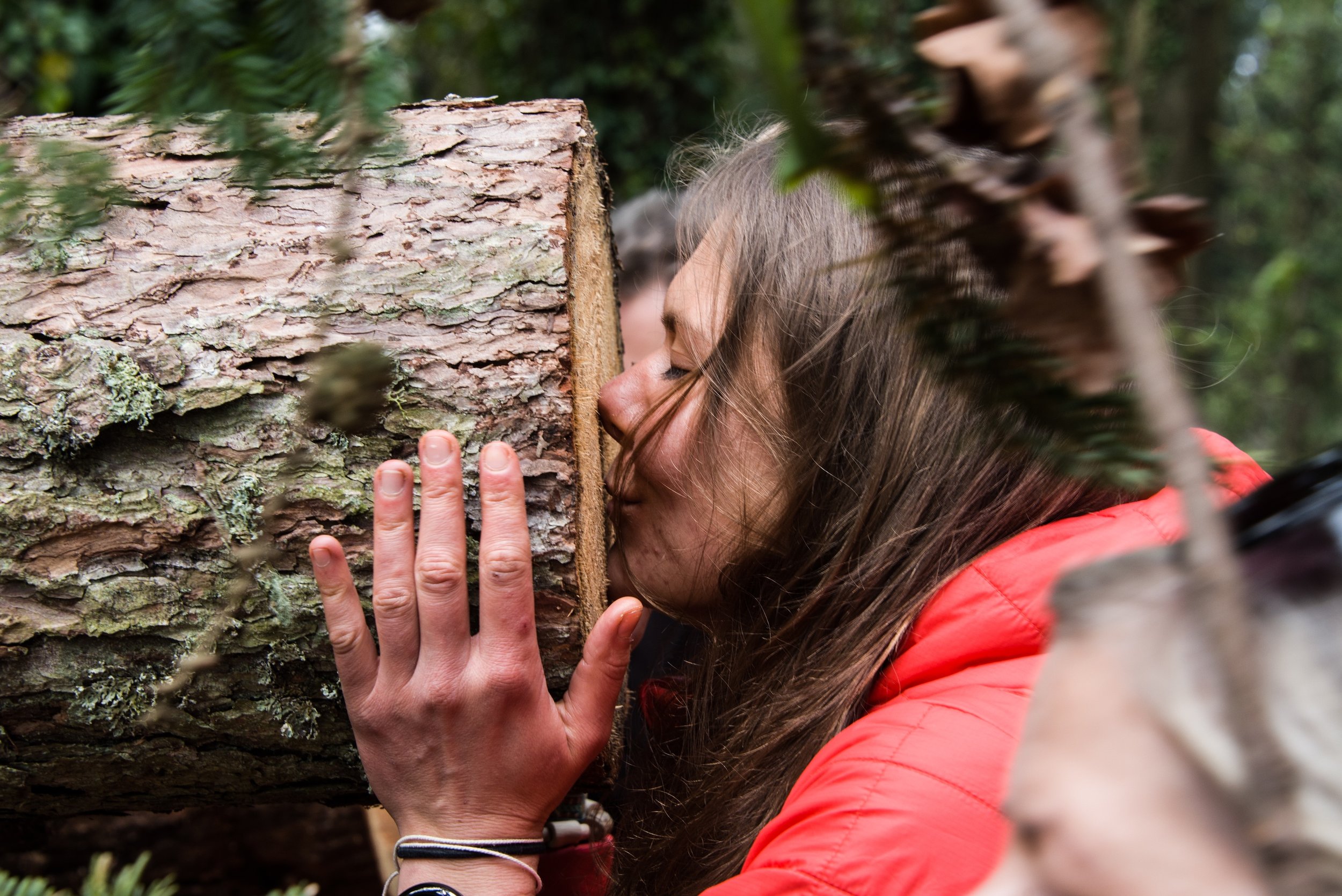
If you've been searching for a forest school training course online, you've probably already weighed up the alternative; A week-long residential course sounds lovely until you're trying to organise childcare, get time off work and explain to your family why you're disappearing into the woods for five days. More educators than ever are choosing to train online, not because it's the easier option, but because it's the smarter one for how they actually live and work.
Why More Educators Are Choosing Online Forest School Training
Teaching assistants, early years practitioners, classroom teachers, and career changers all come to forest school training with one thing in common, they're busy. A week-long residential course sounds appealing in theory, but in practice it means arranging cover, childcare, and a significant chunk of upfront cost, often before you've had a chance to decide whether forest school is truly the direction you want to go.
Self-paced, online training changes that equation. It lets you build knowledge steadily, return to material when you need to, and fit study around your actual week rather than pausing your life for it. That's not a compromise on quality. It's a realistic response to how adult learning works. I've worked with hundreds of learners over the years and very few have the luxury of putting life on hold while they train.
When I first started out, forest school was still very niche. Not many people had heard of it. Now, it's increasingly common to see schools, nurseries and other organisations looking specifically for level 3 qualified forest school leaders as a minimum benchmark for leading sessions independently. Choosing an online route doesn't make you less qualified. It makes you qualified sooner, because you can actually complete the course.
What 'Accredited Forest School Training Online' Actually Means
There's a persistent assumption that online training is a lighter version of the real thing. It isn't, at least not when the accreditation is genuine. One of the biggest misconceptions about online training is that it's somehow "less than" a face-to-face course. In reality, the qualification requirements are exactly the same.
Understanding Level 3 accreditation and why it matters
A Level 3 Forest School qualification is the benchmark for independent session leadership in the UK. It's the qualification that schools, local authorities, and outdoor learning settings look for when they're hiring or commissioning Forest School practitioners. Anything below Level 3, such as the Level 1 awareness or Level 2 assistant training, doesn't carry the same standing for leading sessions solo.
The Forest School Association defines forest school as a long-term, learner-centred process rooted in the outdoor environment. That definition shapes everything the Level 3 qualification demands: a body of underpinning knowledge, a portfolio of evidence built through practice, and observed outdoor sessions with a real group of learners. These requirements exist whether you study online or in a classroom. The mode of delivery changes, the standard doesn't. Online learning isn't second best. For many people, it's the only reason training is possible at all.
How accreditation works in a self-paced, online format
In an accredited online Level 3 course, you build your portfolio through written assignments, reflective practice, case studies on you outdoor sessions and videos of your practical skills. The underpinning knowledge, risk management, child development theory, ecological literacy, the six forest school principles, is covered through structured modules. The practical element is non-negotiable as you will still need to plan and lead a series of forest school sessions with a group of learners in an outdoor setting as well as demonstrating your practical skills.
That practical placement can happen in a woodland, a school field, or a nature reserve, wherever you have access and appropriate consent. What the online format gives you is control over when and where you arrange it, and you have time to practice, and master, your practical skills.
The Go Wild Education Online Forest School Level 3 Course
This is where Go Wild Education's approach is different, not just in structure, but in the quality of support you receive while you're working through it.
Self-paced structure that fits around your life
The Go Wild Education forest school training course online is built around your schedule. Modules are organised in an easy-to-use format, so you're guided through the content in a logical order without being locked into weekly deadlines you might miss when work gets hectic or family life intervenes. You work through theory, plan your practice, gather evidence, and submit your portfolio on a timeline that reflects your real circumstances.
A teaching assistant balancing a 40-hour working week, for example, can work through modules in the evenings and at weekends, then arrange their practical placement sessions at a local woodland or school site during term time. The course is designed to flex around that reality, because life doesn't stop just because you decide to gain a qualification, and pretending otherwise would be doing you a disservice. I have students who have demanding education jobs, who run their own businesses, who have jobs where they can't take time off, who have family caring commitments, who don't have the funds for accommodation, who don't drive, or who find the prospect of joining a group of strangers for a training course a little bit intimidating. Online forest school training makes it possible for all of these people to train and make a difference to their communities.
Myth: online Forest School training means less practical experience
I hear this all the time. The reality is that you'll still need to plan, lead and evaluate real sessions with real participants in the real outdoors. Nobody qualifies by sitting on the sofa watching videos. And nobody qualifies by attending a 5, 9 or 10 day course. You still have to put in the work in your own time, practice your practical skills and run your sessions.
Direct access to a practitioner trainer, not a help desk
Here's something that genuinely matters, Go Wild Education's Level 3 course is led by me, Jackie Roby - and I'm a real person! I am a forest school trainer with years of hands-on experience delivering sessions with children and adults in outdoor settings. When you have a question, you're not logging a ticket with a support team or waiting for a course coordinator to pass your query to a tutor you've never met. You'll get a reply from me directly. I oversee a small team of markers who are all experienced forest school practitioners themselves. That means feedback on your portfolio comes from people who have worked with various groups in a number of settings and know exactly what good practice looks like, and why it looks that way. And your questions get answered by someone who cares about your progress (me!), not just your completion rate.
Most online providers can't replicate that, because they're not built around a named, practising professional. There's a real difference between studying under someone and studying with them.
Is a Flexible Forest School Course Right for You?
The honest answer is that it depends on what you're willing to put in, not on where you're starting from.
The students who thrive on this course aren't necessarily the ones with the most experience. They're the ones who are genuinely curious about outdoor learning, who can carve out a few focused hours a week, and who engage with the practical element rather than treating it as a box to tick. Some come with years of experience in early years settings. Others are career changers who've never worked in education before but feel a strong pull toward nature-based practice. Both do well.
Working full-time doesn't disqualify you. Having young children doesn't disqualify you. Not having your own woodland doesn't disqualify you. The self-paced forest school training format exists precisely because life is complicated and rigid timetables exclude people who are perfectly capable of doing excellent work.
Week to week, here's what support looks like: you have access to me, you have structured module content to guide your learning, and you have a clear framework for building your portfolio so you always know what you're working toward. There's no ambiguity about what to do next, which is one of the most common sources of anxiety in self-directed study, and one that the course structure directly addresses.
Your Forest School Certification Online: What You'll Walk Away With
On completion, you hold an Open Awards Level 3 Certificate Forest School Programme Leadership (RQF), the recognised standard for independent session leadership across the UK. That's the forest school certification that schools, nurseries, outdoor education organisations, and local authorities treat as the benchmark.
Practically, it means you can design, plan, and lead your own forest school programme. You can apply for roles that require a qualified forest school leader, pitch your services to schools as a freelance practitioner, or integrate forest school principles into your existing teaching practice with a formal qualification behind you.
For some graduates, the next step is employment. For others, it's setting up an independent forest school provision or developing a freelance offer. Go Wild Education supports that transition too, there are further resources around business development and outdoor practice for those who want to keep building after they qualify. And you'll forever be a member of the Go Wild Tribe.
The qualification is yours for life. What you do with it is up to you.
Ready to Take the First Step?
If this sounds like the right fit, the best next step is a simple one - try it before you commit. I offer a free trial so you can explore the platform, get a feel for my teaching style, and decide whether this is the right course for you, without any pressure to sign up immediately.
Head to the forest school Level 3 course page to find out more or start your free trial. If you have questions, drop me an email at hello@gowildeducation.co.uk and I'll answer them